Curating Spaces for Calm Reflection: The Warm Minimalist Interior
How natural materials, limewash plaster, and tactile ceramics create living environments of profound calm.
 By Elena Sterling
Lifestyle
By Elena Sterling
Lifestyle
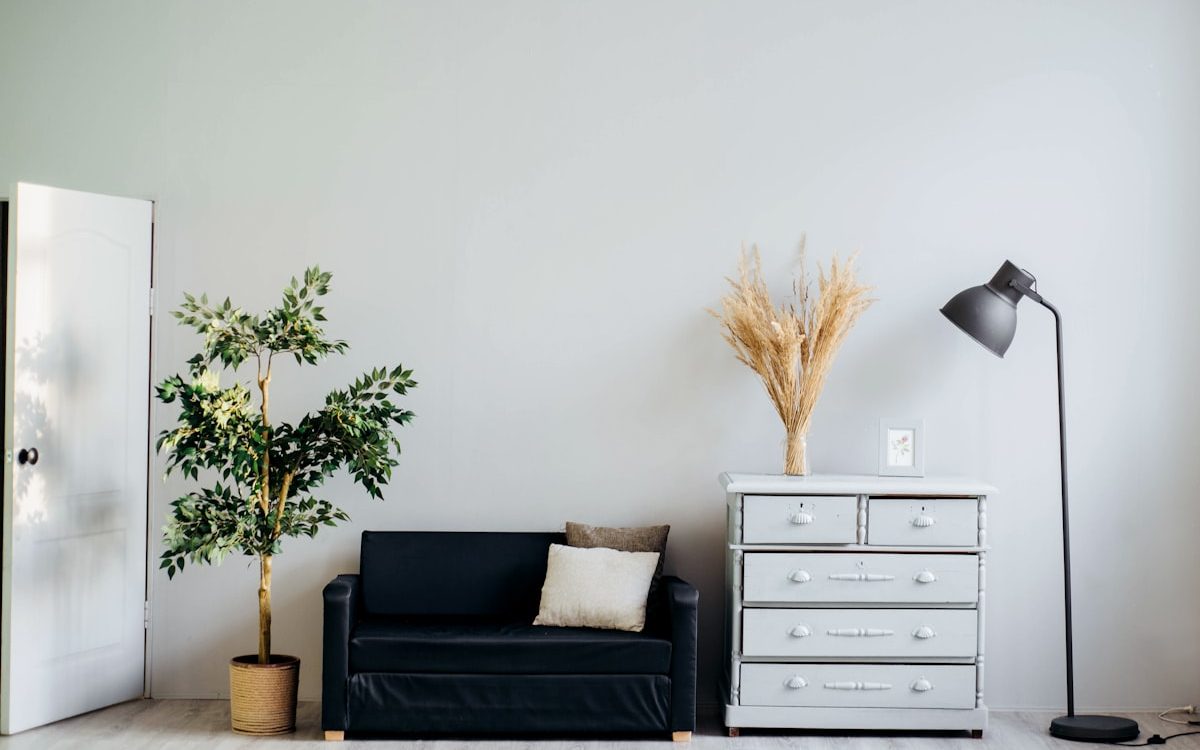
Our built living environments exert a profound, continuous influence on our autonomic nervous systems and emotional wellbeing. By eliminating visual clutter, discarding sterile synthetic furnishings, and introducing honest organic materials, our domestic spaces transform into sanctuaries that shield us from the relentless pace of modern life.
Honoring Materiality, Texture, and Natural Patina
Warm minimalism is defined not by sterile absence, but by the intentional presence of soul-stirring textures. There is an innate, soothing resonance in objects that carry the tactile mark of human hands: wheel-thrown stoneware ceramics with matte glaze irregularities, unlacquered brass hardware that oxidizes naturally, open-grain white oak, and hand-troweled limewash plaster walls that catch shifting sunlight throughout the day.
These organic materials possess acoustic dampening properties, softening indoor reverberation and creating a cocoon-like quietude. Unlike petroleum-based plastics and high-gloss laminates that reflect harsh glare and show wear as degradation, natural wood, stone, and woven linen age with extraordinary grace, developing a rich patina that chronicles the passage of shared memories and quiet domestic hours.
The spatial layout must also prioritize visual breathing room. Rather than filling every perimeter wall with shelving or decorative accessories, leaving deliberate expanses of empty plaster allows natural light to become the primary architectural feature. Sunlight filtering through sheer linen curtains paints shifting geometric gradients across the floorboards, grounding the senses in the beauty of the present hour.
Every decorative object should have a purpose or an authentic story. A hand-carved wooden bowl brought back from a mountain village, a stack of art monographs, or a piece of sculptural driftwood selected during a morning beach walk adds warmth without causing visual noise.
“A thoughtfully designed home should feel like a long, deep exhale the moment you step across the threshold.”
The Sacred Nook: Creating an Analog Sanctuary
Even within compact metropolitan apartments, establishing a single dedicated corner for analog, screen-free contemplation creates an invaluable psychological anchor. This sanctuary requires very little: an ergonomic linen armchair, a solid timber side table, a dimmable warm-toned reading lamp (2700K color temperature), and a ceramic vase holding a solitary branch of wild olive, cedar, or eucalyptus.
Designate this micro-space solely for restorative practices—reading a physical bound book, writing in a journal, listening to vinyl records, or enjoying a pot of loose-leaf sencha. By establishing clear physical boundaries between productivity zones and quiet contemplation areas, the home becomes a sanctuary where the mind can truly decompress and recharge.
When we deliberately curate spaces that honor peace, natural light, and authentic craftsmanship, our homes cease to be mere storage boxes for possessions and become sacred temples of restoration, creativity, and inner calm.

The Slow Kitchen: Celebrating Seasonal Harvests and Honest Flavors
Rediscovering the meditative joy of sourdough baking, heirloom grain porridge, and seasonal market sourcing.

The Art of Analog Living: Reclaiming Tactile Rhythms in a Digital Age
Why fountain pens, physical books, mechanical watches, and vinyl records provide essential cognitive grounding.
Stoneware and Wabi-Sabi: The Quiet Presence of Studio Ceramics
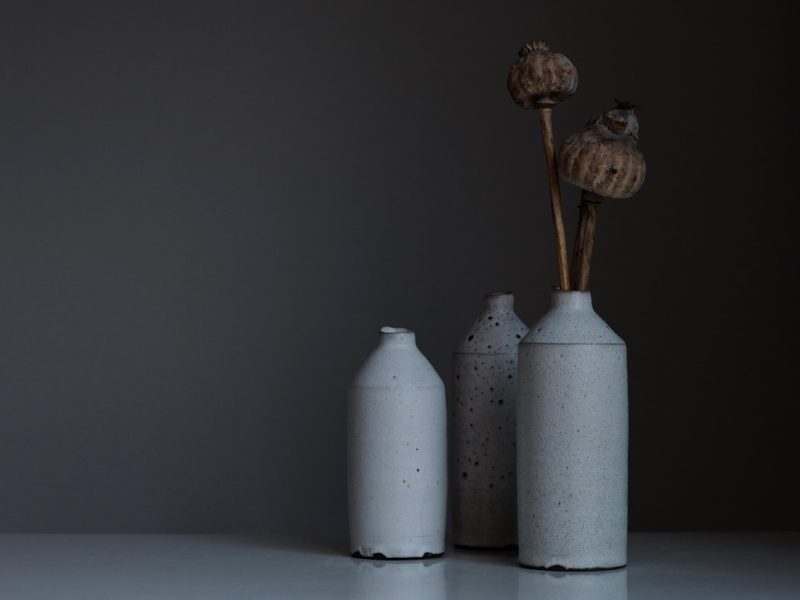
How wheel-thrown pottery, wood-ash glazes, and imperfect textures infuse everyday meals with reverence.