The Art of Analog Living: Reclaiming Tactile Rhythms in a Digital Age
Why fountain pens, physical books, mechanical watches, and vinyl records provide essential cognitive grounding.
 By Elena Sterling
Lifestyle
By Elena Sterling
Lifestyle
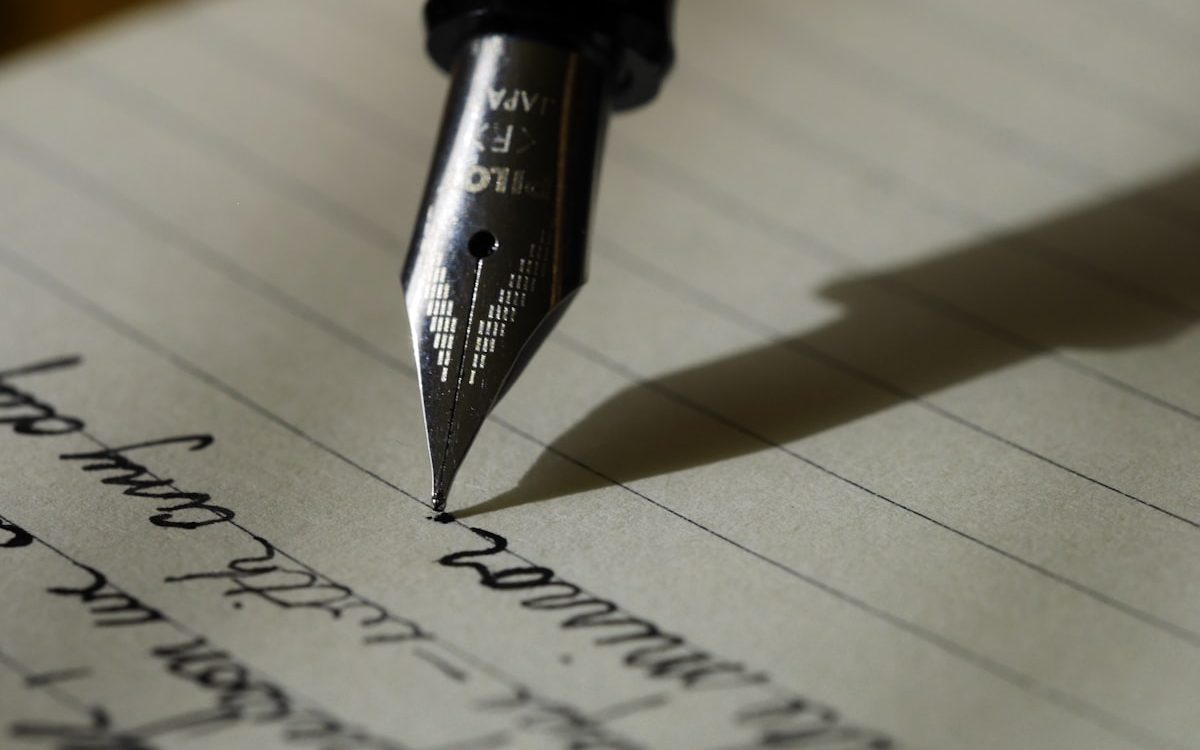
In a world where almost every human interaction has been mediated through frictionless glass screens, our tactile senses have become systematically starved. Analog objects—imbued with weight, friction, and physical resistance—offer an invaluable cognitive sanctuary.
The Slow Cadence of Ink on Cotton Paper
Writing longhand in a bound notebook with a brass fountain pen forces the brain to slow its cognitive processing. Unlike digital word processors with infinite backspacing, physical ink requires deliberate commitment and measured phrasing.
The friction of the nib gliding across 100gsm cotton rag paper produces a subtle acoustic rhythm that activates deep mental presence. Journaling becomes an unmonitored sanctuary for private reflection and mental decompression.
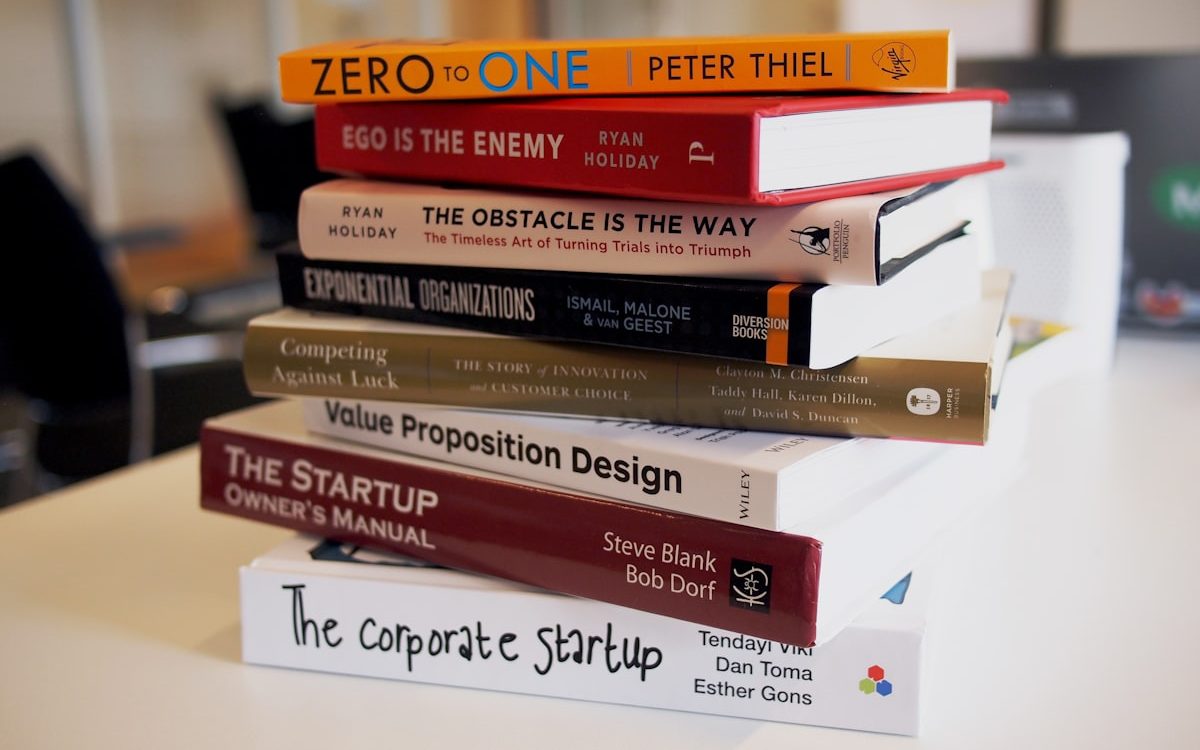
Similarly, reading physical bound books creates a spatial memory map that e-readers fail to generate: the thickness of pages remaining in your right hand provides an intuitive sensory awareness of narrative progression.
“Analog objects demand our patience and reward us with genuine presence.”
The Ritual of Vinyl and Mechanical Timepieces
Playing an LP record requires intentionality: sliding the vinyl from its sleeve, cleaning the grooves with a carbon-fiber brush, and gently placing the stylus down. You listen to albums as cohesive artistic statements rather than randomized algorithmic playlists. Embracing analog rituals restores our sovereignty over time.
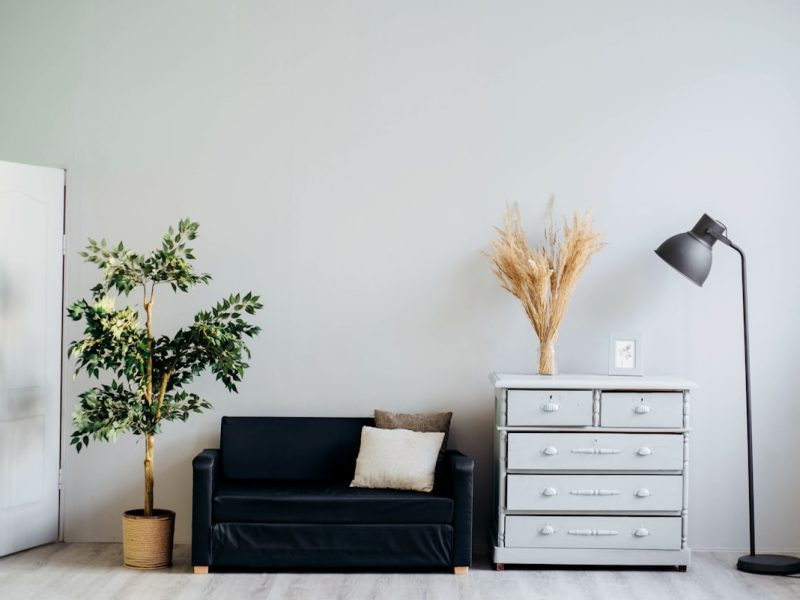
Curating Spaces for Calm Reflection: The Warm Minimalist Interior
How natural materials, limewash plaster, and tactile ceramics create living environments of profound calm.

The Slow Kitchen: Celebrating Seasonal Harvests and Honest Flavors
Rediscovering the meditative joy of sourdough baking, heirloom grain porridge, and seasonal market sourcing.
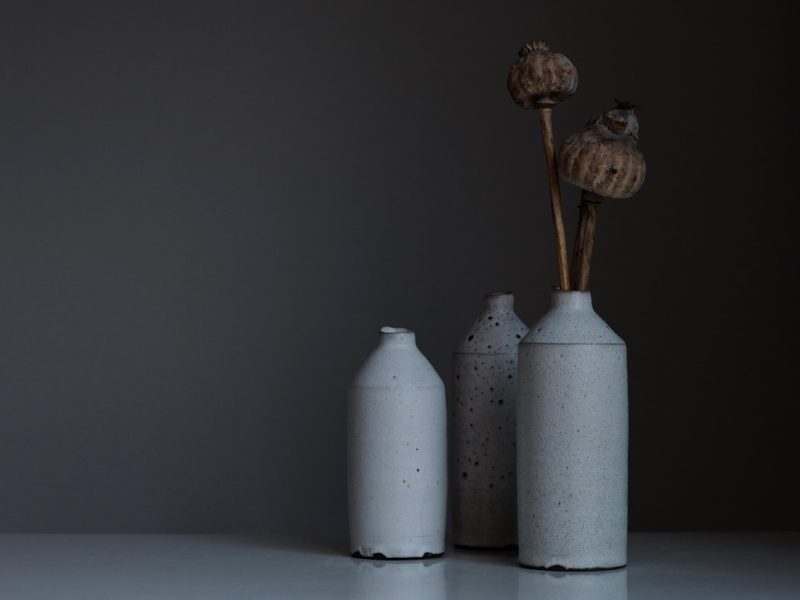
Stoneware and Wabi-Sabi: The Quiet Presence of Studio Ceramics
How wheel-thrown pottery, wood-ash glazes, and imperfect textures infuse everyday meals with reverence.