Stoneware and Wabi-Sabi: The Quiet Presence of Studio Ceramics
How wheel-thrown pottery, wood-ash glazes, and imperfect textures infuse everyday meals with reverence.
 By Elena Sterling
Lifestyle
By Elena Sterling
Lifestyle
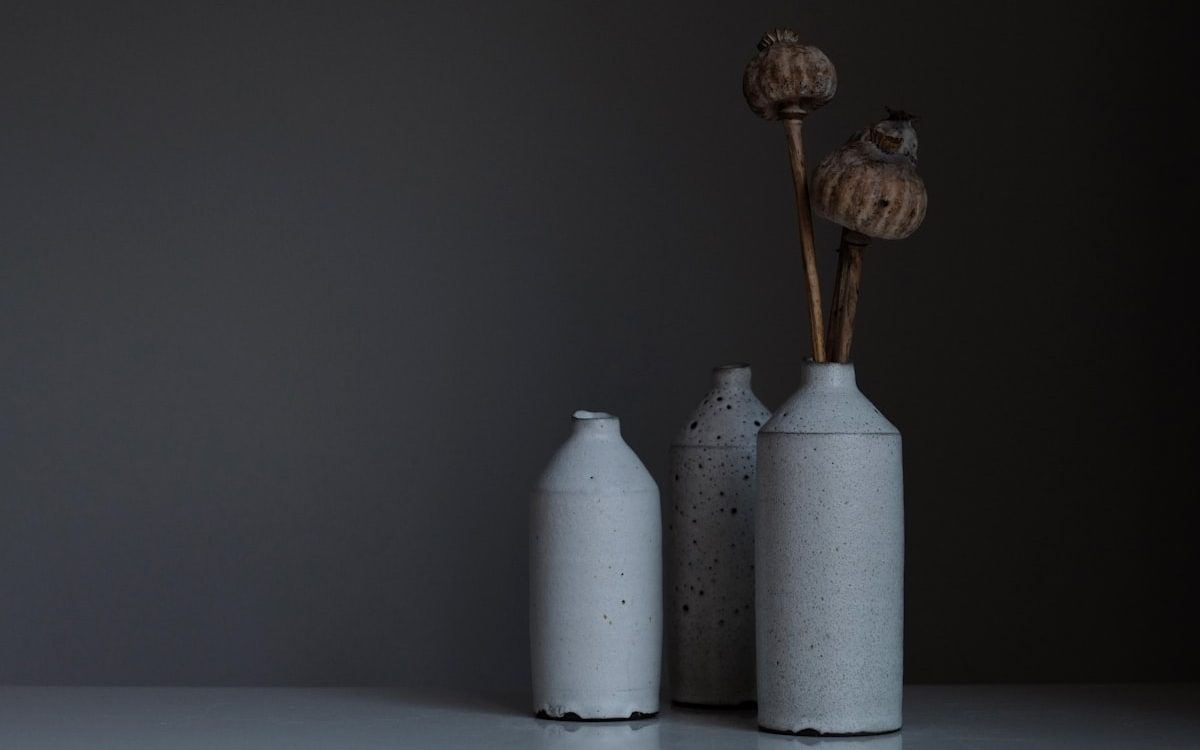
Eating from a factory-molded porcelain plate is a sterile experience. Drinking morning tea from a heavy, hand-thrown ceramic cup carrying the thumb imprint of the potter, however, transforms a routine beverage into an intimate tactile conversation with craft.
The Beauty of Asymmetry and Kiln Accidents
Rooted in traditional Japanese wabi-sabi philosophy, studio ceramics celebrate the beauty of impermanence, simplicity, and natural imperfection. In anagama wood-fired kilns, wood ash settles onto raw clay over five days of intense firing, melting into unpredictable vitreous glazes with earthy shades of olive, iron rust, and charcoal.
These subtle glaze pooling marks, tiny kiln cracks, and varied textures ensure that no two pieces are ever identical. The tableware feels grounding in the hands, retaining heat while connecting the diner directly to the earth and fire.
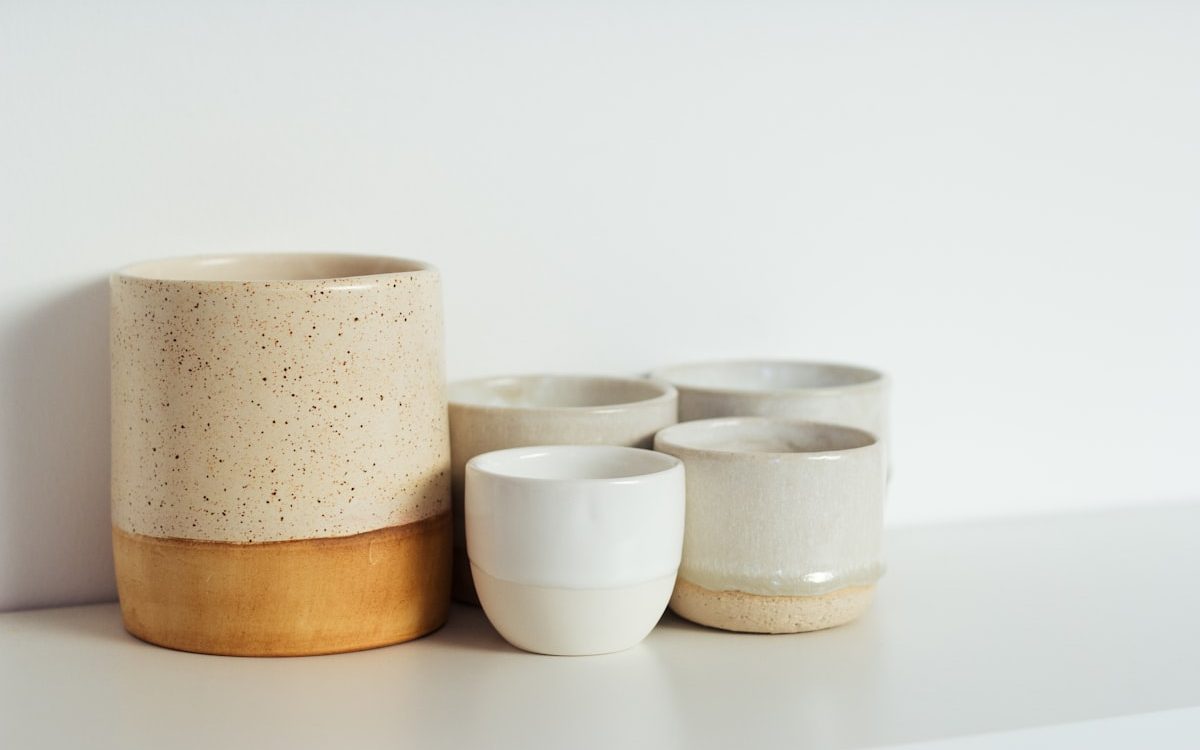
Curating a kitchen shelf with thoughtfully collected pottery vessels brings an authentic artisan spirit into daily home life.
“In the gentle irregularity of handmade clay, we find the human soul.”
Caring for Studio Stoneware
Handmade ceramics thrive on gentle care: hand washing with mild soaps and allowing unglazed clay surfaces to air dry preserves their natural patina for generations.

Curating Spaces for Calm Reflection: The Warm Minimalist Interior
How natural materials, limewash plaster, and tactile ceramics create living environments of profound calm.

The Slow Kitchen: Celebrating Seasonal Harvests and Honest Flavors
Rediscovering the meditative joy of sourdough baking, heirloom grain porridge, and seasonal market sourcing.

The Art of Analog Living: Reclaiming Tactile Rhythms in a Digital Age
Why fountain pens, physical books, mechanical watches, and vinyl records provide essential cognitive grounding.