Acoustic Sanctuaries: Designing Homes for Deep Silence and Auditory Calm
Using natural wool rugs, cork underlay, heavy drapery, and acoustic timber panels to eliminate domestic noise pollution.
 By Elena Sterling
Lifestyle
By Elena Sterling
Lifestyle
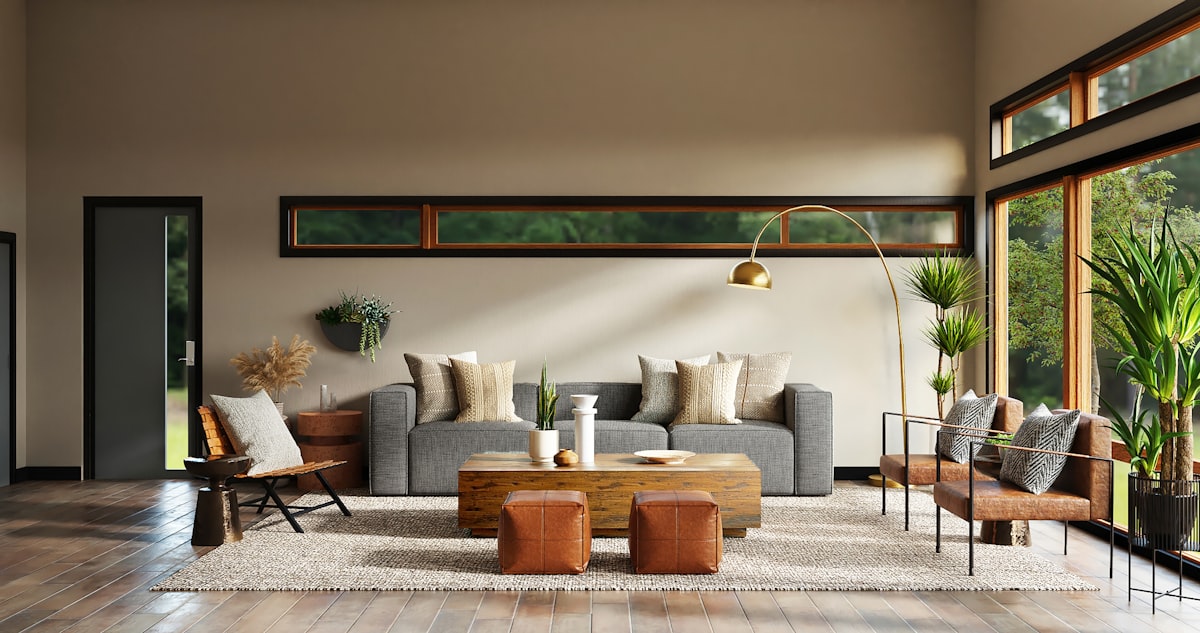
While interior design has traditionally prioritized visual aesthetics, auditory comfort is equally vital to human mental health. Hard drywall, open floor plans, and bare glass windows cause indoor sounds to echo, triggering subtle chronic stress in our nervous systems.
Dampening Sound Waves with Organic Materials
Creating an acoustically balanced home does not require ugly industrial foam. Natural high-density materials—such as hand-knotted wool rugs, thick linen velvet drapery, and slatted oak acoustic panels backed with recycled felt—absorb harsh mid- and high-frequency sound reverberations.
Replacing hollow interior doors with solid core timber doors significantly reduces room-to-room noise transfer, creating quiet private zones for deep work and restorative sleep.
The resulting auditory warmth turns a room into an acoustic sanctuary where speech is soft, music sounds rich and full, and silence feels protective rather than empty.
“Silence in the home is not merely an absence of sound; it is the presence of deep peace.”
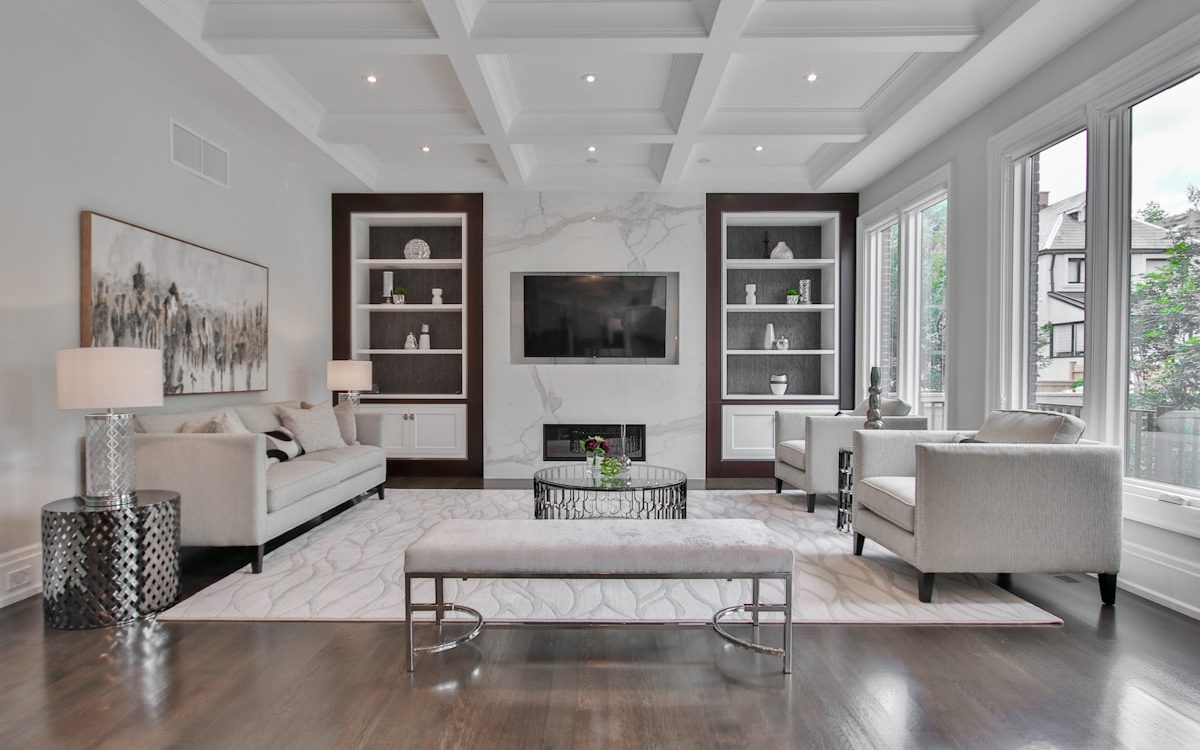
Mindful Auditory Hygge
Incorporate gentle, non-intrusive sound elements like the crackle of a fireplace, the ticking of an analog clock, or the gentle rustle of leaves outside an open window to cultivate calming acoustic textures.
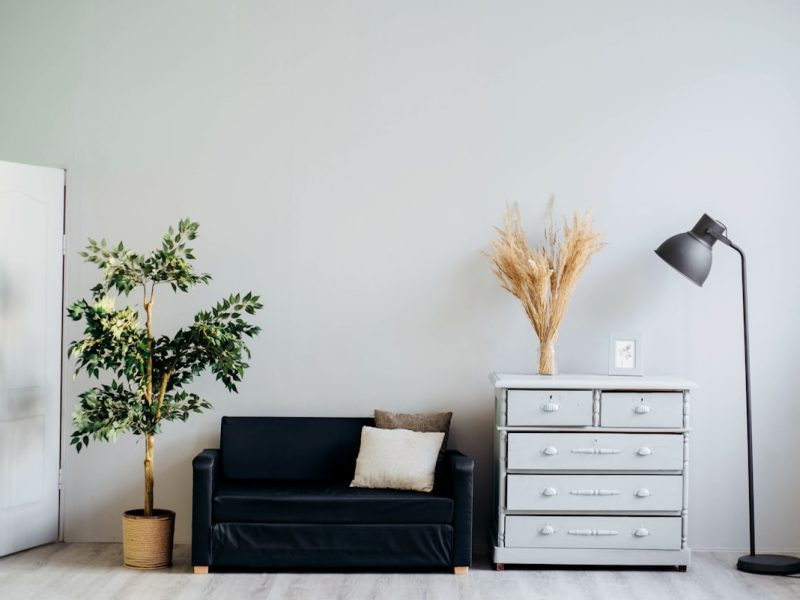
Curating Spaces for Calm Reflection: The Warm Minimalist Interior
How natural materials, limewash plaster, and tactile ceramics create living environments of profound calm.

The Slow Kitchen: Celebrating Seasonal Harvests and Honest Flavors
Rediscovering the meditative joy of sourdough baking, heirloom grain porridge, and seasonal market sourcing.

The Art of Analog Living: Reclaiming Tactile Rhythms in a Digital Age
Why fountain pens, physical books, mechanical watches, and vinyl records provide essential cognitive grounding.