Living Greenery: The Art of Minimalist Botanical Styling and Plant Care
Selecting architectural indoor plants, raw terracotta vessels, and cultivating biophilic harmony in urban dwellings.
 By Elena Sterling
Lifestyle
By Elena Sterling
Lifestyle
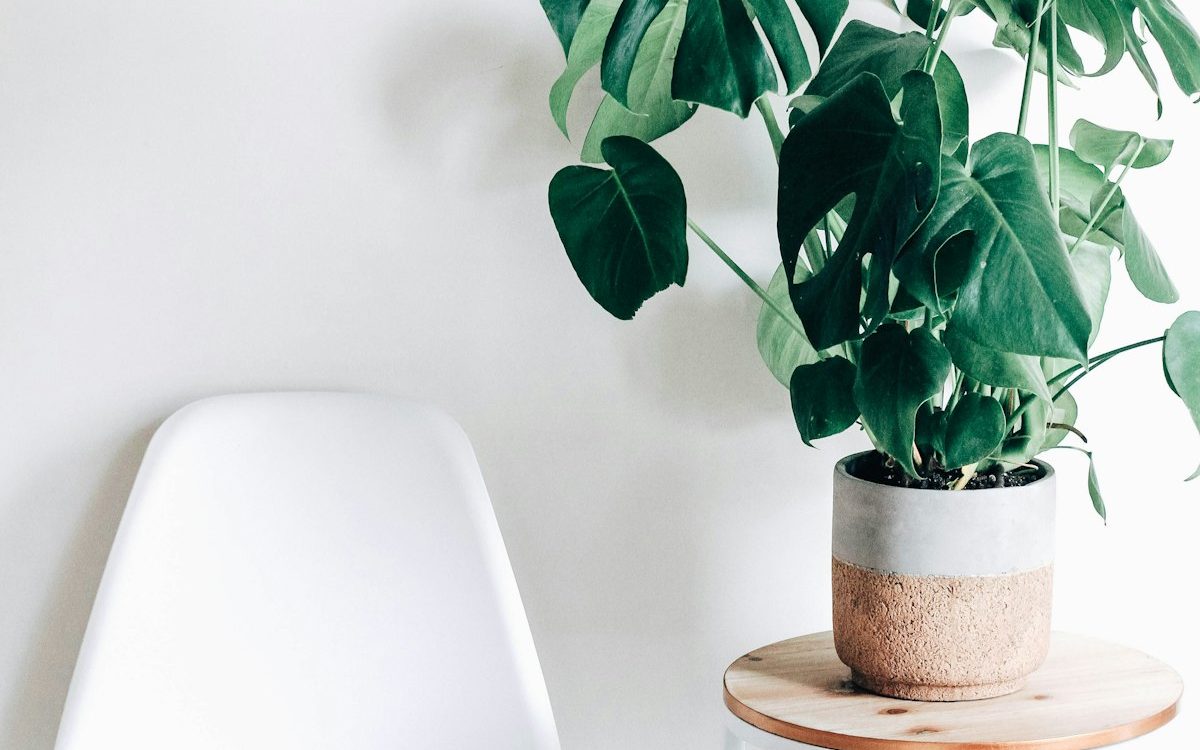
Biophilic design posits that human beings possess an innate biological affinity for the living natural world. Introducing living indoor plants into our homes is far more than decorative styling; it improves air quality, stabilizes humidity, and connects us daily to natural growth cycles.
Architectural Foliage and Organic Vessels
Rather than crowding windowsills with dozens of small succulents, warm minimalist interior design favors a few sculptural specimen plants with strong architectural presence: a mature Ficus lyrata, an elegant Olive tree in an airy sunlit corner, or a delicate Japanese maple bonsai on a low cedar plinth.
Potting plants in breathable, unglazed raw terracotta planters allows root systems to oxygenate naturally and regulates soil moisture. As water and natural minerals seep through the porous clay, the pots develop a weathered white chalk patina that enhances their organic aesthetic.
Observing new leaves unfurl and tending to plants with a brass watering can becomes a grounding morning ritual of mindfulness and quiet nurture.
“To care for a living plant is to practice patience, attentiveness, and gentle reverence for life.”
Lighting and Seasonal Plant Care
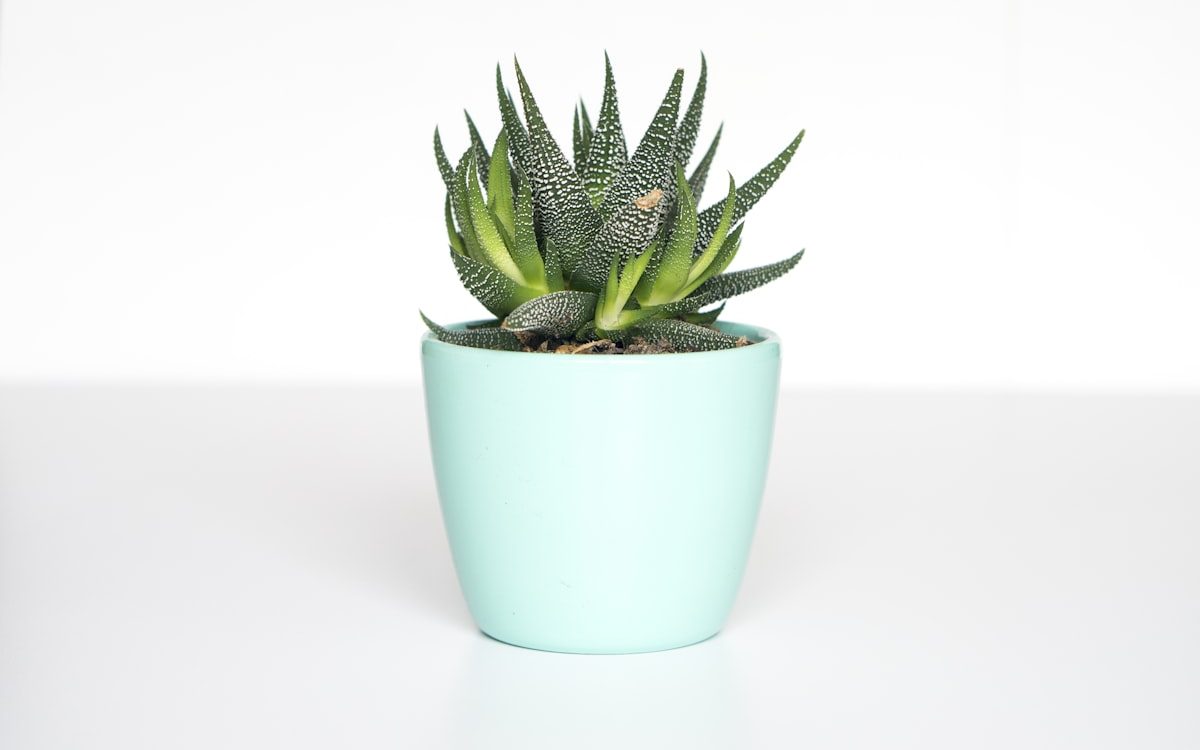
Position plants according to their natural light requirements: bright indirect daylight for tropical foliage, and gentle morning sun for delicate herbs. Cleaning leaves with a damp cloth every fortnight removes dust and ensures optimal photosynthesis.
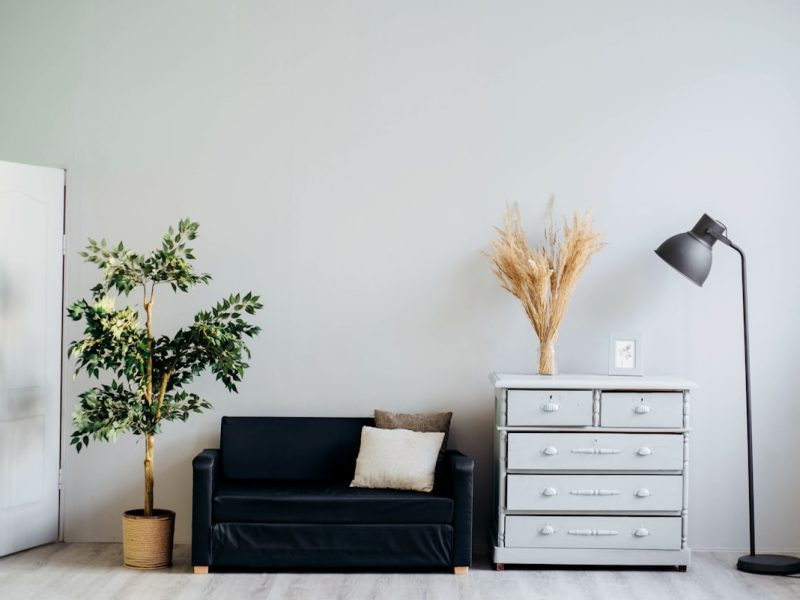
Curating Spaces for Calm Reflection: The Warm Minimalist Interior
How natural materials, limewash plaster, and tactile ceramics create living environments of profound calm.

The Slow Kitchen: Celebrating Seasonal Harvests and Honest Flavors
Rediscovering the meditative joy of sourdough baking, heirloom grain porridge, and seasonal market sourcing.

The Art of Analog Living: Reclaiming Tactile Rhythms in a Digital Age
Why fountain pens, physical books, mechanical watches, and vinyl records provide essential cognitive grounding.