Morning Silence in Kyoto: Zen Gardens and Ancient Woodwork
An early morning walk through the temple gardens of Arashiyama and the historic machiya residences of Gion.
 By Elena Sterling
Travel
By Elena Sterling
Travel
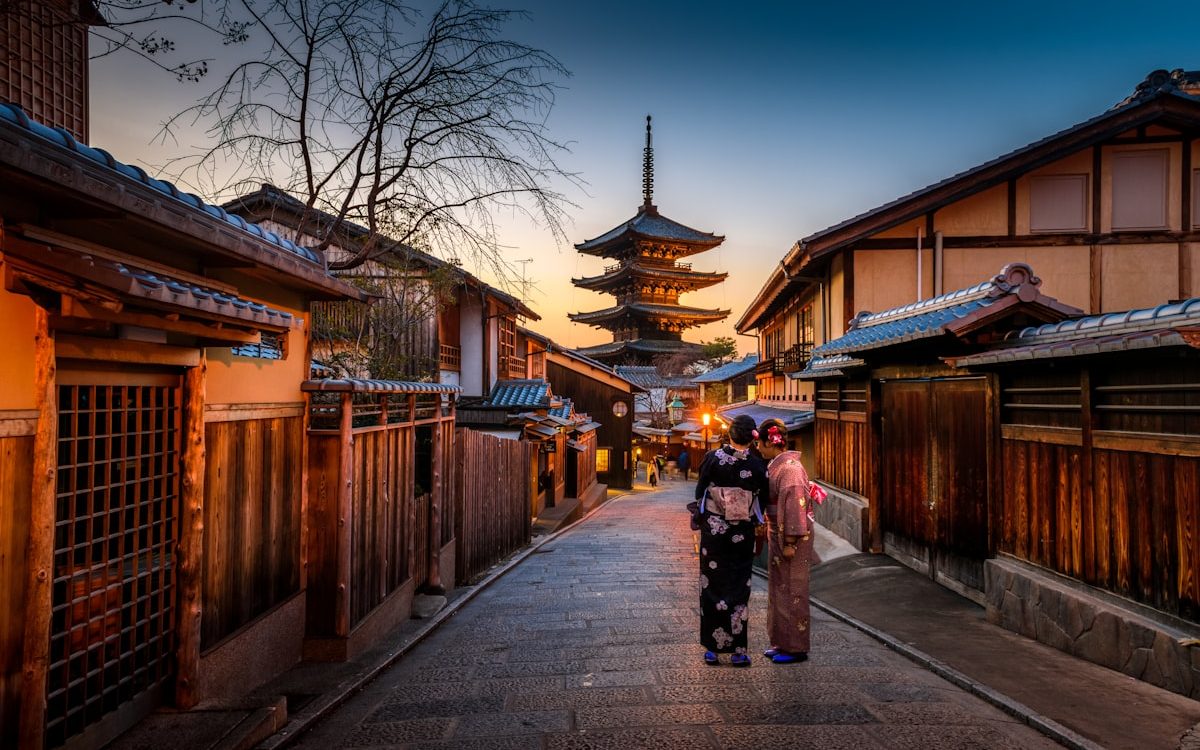
To experience Kyoto in its authentic, transcendent essence, one must rise well before sunrise. As dawn mist rolls down from the cedar-covered slopes of Mount Hiei and Arashiyama, the historic Japanese capital sheds the bustle of tour groups and reveals its ancient, contemplative soul to those who walk its flagstone alleys in stillness.
The Philosophy of Ma and Sacred Courtyard Architecture
Traditional Japanese architectural philosophy is deeply anchored in the concept of "Ma"—the deliberate, meaningful pause or negative space that gives balance, harmony, and rhythm to the whole. In historic wooden machiya townhouses preserved throughout Kyoto’s Gion and Nishijin quarters, interior rooms open directly onto secluded interior courtyard gardens known as tsuboniwa.
Constructed using ancient mortise-and-tenon joinery without a single iron nail, these weathered Hinoki cedar timber dwellings breathe with seasonal humidity changes. Sitting quietly on a smooth cedar engawa veranda at 6:00 AM while gentle rain drips rhythmically from bamboo rain chains (kusari-doi) into a stone water basin (tsukubai) is a masterclass in mindfulness and sensory presence.
Every moss-covered stone, raked gravel line in the karesansui dry landscape garden, and meticulously pruned Japanese maple branch is positioned with profound aesthetic intention. The garden is not designed to be trampled through, but rather contemplated from a seated position, inviting the viewer into a state of meditative calm.
The interaction of light and shadow across translucent washi paper shoji screens creates a delicate chiaroscuro, softening harsh sunlight and cultivating an interior atmosphere of deep reverence and psychological serenity.
“In the stillness of a Kyoto morning, one discovers that simplicity is not emptiness, but the ultimate presence of peace.”

Morning Matcha and the Art of the Tea Ceremony
Following a quiet garden walk, taking part in a private morning chadao tea ritual at an ancient temple offers profound cultural grounding. The host whisks ceremonial stone-ground Uji matcha in an antique ceramic Raku chawan, its bitter grassy notes balanced by a delicate handcrafted seasonal wagashi confection.
Every movement—the wiping of the tea scoop, the pouring of boiling spring water from a cast iron tetsubin kettle, and the respectful rotation of the bowl before drinking—embodies the four core Zen principles: Harmony (Wa), Respect (Kei), Purity (Sei), and Tranquility (Jaku). It is an experience that stays with you long after you return home.
Walking back through silent bamboo groves where the morning breeze rustles towering green stalks, the traveler realizes that true luxury in travel is not found in lavish hotel amenities, but in these rare moments of undisturbed presence and timeless cultural beauty.

Sanctuaries of Stone and Light: Architecture of the Cycladic Coast
Discovering minimalist coastal dwellings where lime-washed stone meets the stillness of the Aegean.

Nordic Solitude: Minimalist Timber Cabins in the Norwegian Fjords
Exploring charred pine cabins, wood-burning warmth, and panoramic stillness nestled along glacial waters.

Alpine Thermal Retreats: Mineral Baths and High-Altitude Serenity in the Swiss Valleys
Granite spa architecture, restorative mountain springs, and quietude among pine-forested slopes.