The Monochrome Wardrobe: Mastering Nuance, Tonal Texture, and Depth
Why dressing in single-color spectrums reveals the deepest subtleties of fabric, weight, and silhouette.
 By Elena Sterling
Fashion
By Elena Sterling
Fashion
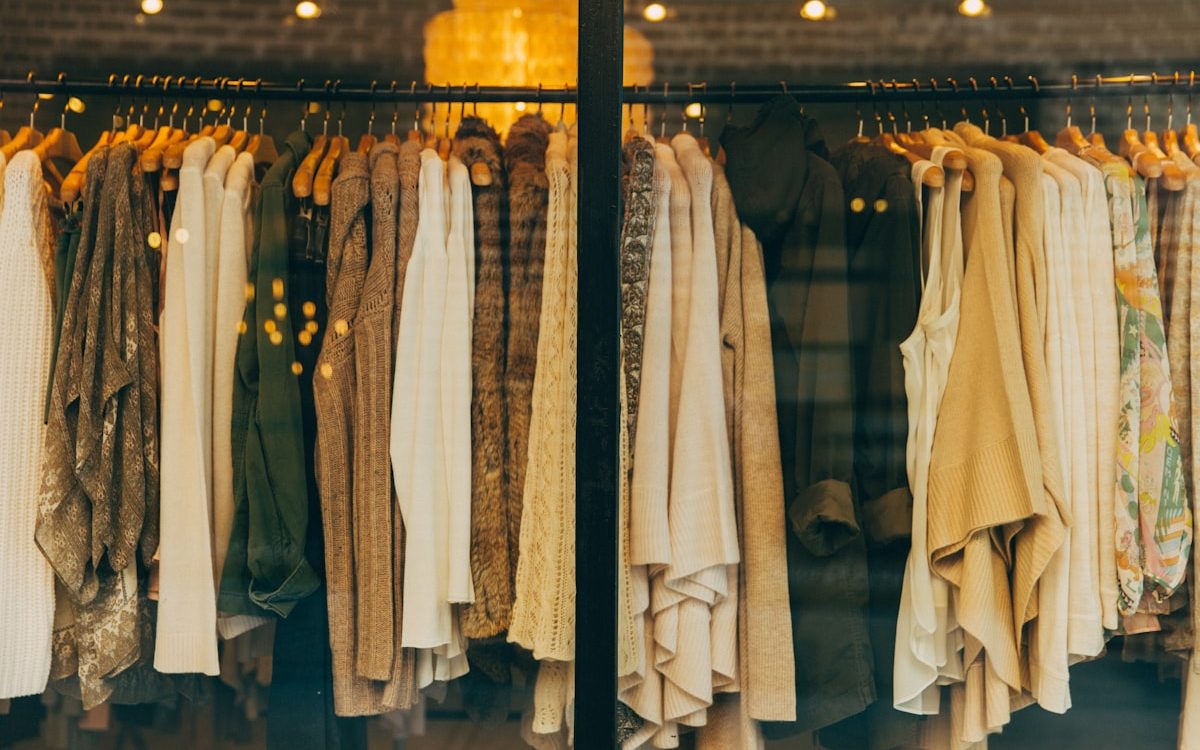
Monochromatic dressing is often misunderstood as an absence of creative effort. In reality, assembling an outfit entirely within a singular tonal family—whether charcoal, ecru, chocolate brown, or midnight indigo—requires the highest degree of textile discernment and proportional awareness.
Contrast Through Tactile Variation
When color contrast is intentionally removed from an ensemble, the eye immediately seeks out texture, luster, and structure. Pairing matte brushed flannel trousers with a smooth silk-cashmere knit and a stiff gabardine trench creates rich visual depth that flat colors could never achieve.
The key to successful monochrome styling is avoiding identical textile surfaces. Wearing three identical pieces of flat cotton looks uniform and uninspired; however, layering a chunky ribbed knit over an airy poplin shirt with fluid wool-crepe trousers introduces dynamic dimensionality.
Light also interacts differently across varying textures. Natural slubbed linen absorbs daylight in soft gradients, while fine worsted wool reflects subtle highlights. This play of light gives a single-tone outfit continuous movement and sophistication throughout the day.
“Monochrome is not the absence of color; it is the celebration of texture, form, and pure light.”

Building a Cohesive Tonal Palette
Rather than strictly matching exact pantone codes, an elevated monochrome look embraces neighboring shades. For an ecru palette, incorporate ivory, warm bone, undyed oatmeal, and soft sand. In a charcoal spectrum, blend deep slate, anthracite, and heather grey.
This gentle drift of undertones creates an effortless, lived-in elegance that feels organic rather than rigid. It transforms getting dressed into a serene study of tactile harmony and sculptural ease.

The Art of Quiet Tailoring: Modern Proportions and Subtle Craft
Why understated silhouettes and tactile wools are redefining contemporary wardrobe architecture.

The Permanent Coat: A Guide to Timeless Outerwear Investment
From double-faced camel hair to trench silhouettes that withstand changing seasons and decades.
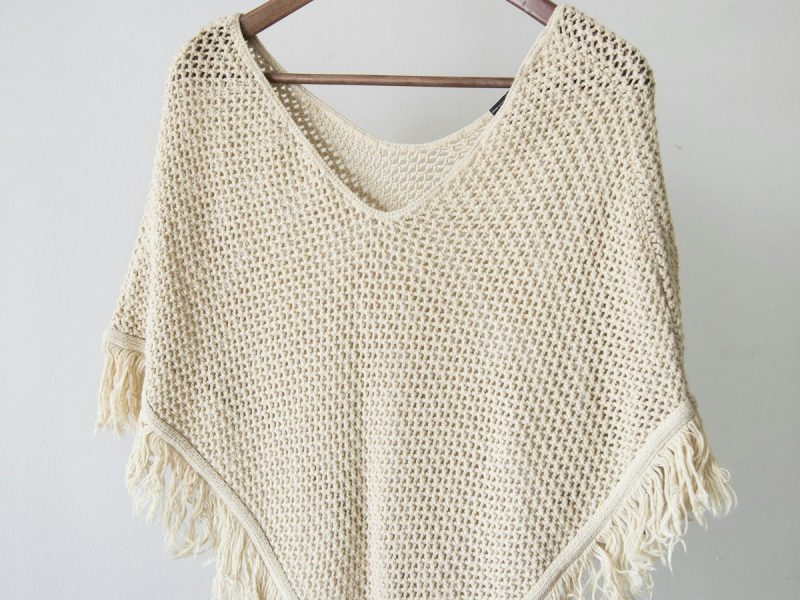
Architectural Knitwear: From Heavy-Gauge Cashmere to Heritage Ribbing
Exploring the artisan spinning mills, seamless loops, and sculptural comfort of heirloom knits.